Netanyahu says blockchain could help Israel prepare for possible sanctions targeting its banking system.


 Live Chat
Netanyahu says blockchain could help Israel prepare for possible sanctions targeting its banking system.

The Japanese government has added Russian cryptocurrency exchange Garantex to its expanded list of sanctions against Russia, citing the continuing war in Ukraine.
Officials added 33 organizations and nine individuals linked to Russia to its asset-freeze list that restricts payments and capital transactions with the targeted parties, according to a joint statement issued on Friday by Japan’s Ministry of Foreign Affairs, Ministry of Finance and Ministry of Economy, Trade and Industry.
Garantex was previously sanctioned by the US, the EU and other jurisdictions for helping Russian entities evade financial restrictions.
The new measures also target 35 vessels identified as part of the so-called “shadow fleet” that carries Russian oil and helps Moscow evade existing sanctions. The measures specifically restrict services including repairs and insurance to cover the designated vessels.
Related: Sanctioned crypto exchange Garantex shifts millions as it reboots platform
Through the sanctions, Japan aims to help reduce Russia’s earnings from crude oil exports.
Still, Garantex may already have had a contingency plan in place allowing it to skirt the impact of US actions, according to blockchain intelligence firm TRM Labs, as Cointelegraph reported in August 2025.
The US Treasury’s Office of Foreign Assets Control then sanctioned Garantex a second time, along with its successor, Grinex.
However, TRM Labs said in a report that the sanctions may be ineffective, as entities like Garantex “appear to prepare contingency plans well in advance of anticipated enforcement measures,” which allow them to quickly migrate clients, infrastructure and funds to successor platforms.
Magazine: Stablecoins can drain from banks and nations at lightning speed
These individuals and entities lead networks that launder the proceeds of fentanyl and other narcotics trafficking activities for the Sinaloa Cartel.
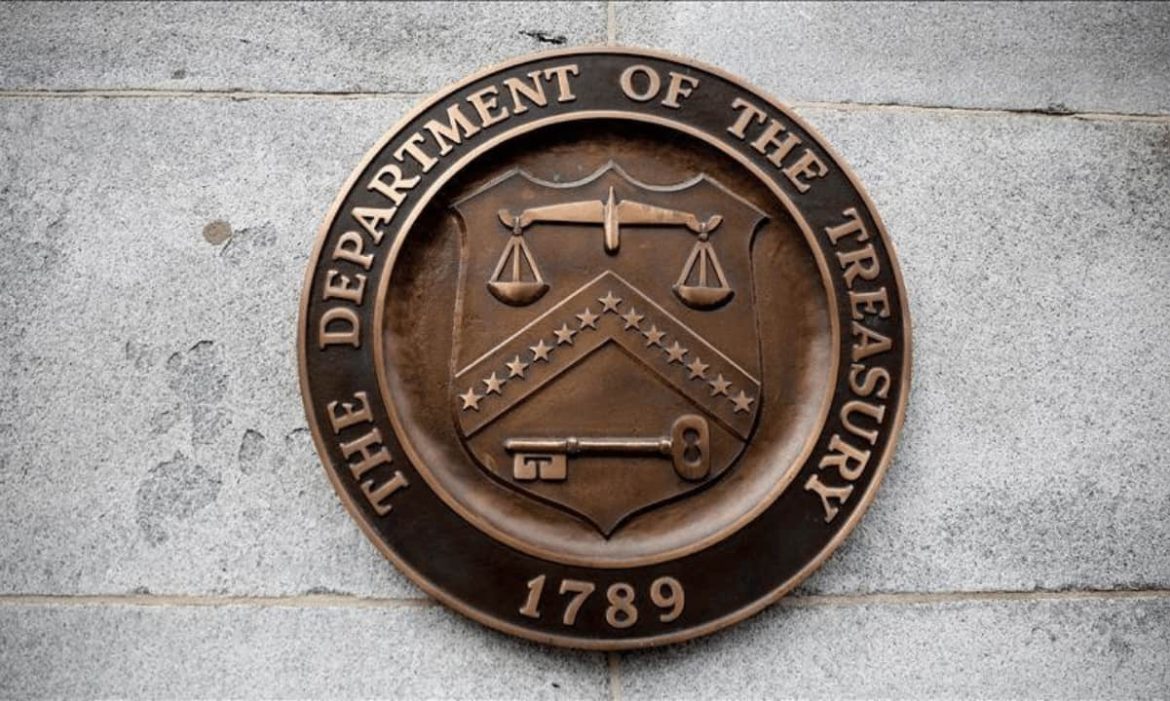
The United States Treasury Department’s Office of Foreign Assets Control (OFAC) has enforced sanctions against individuals and entities linked to a Mexican cartel that is trafficking illicit drugs and laundering the proceeds through cryptocurrency networks.
According to a press release from the Treasury, these individuals and entities lead networks that launder the proceeds of fentanyl and other narcotics trafficking activities for the Sinaloa Cartel. The laundering schemes funnel the profits back to Mexico through blockchain networks.
A multi-year investigation by U.S. authorities has found that Jesus Gonzalez Penuelas heads the illicit drugs trafficking network in the U.S., while Armando de Jesus Ojeda Aviles leads the profit laundering schemes on behalf of the Sinaloa Cartel. This cartel, responsible for multiple violent deaths in Mexico and drug-induced deaths in America, has been deemed a Foreign Terrorist Organization (FTO) by the U.S.
The sons of the imprisoned drug trafficker Joaquin “El Chapo” Guzman Loera run the Sinaloa Cartel, with the help of the just-sanctioned individuals. While steering the wheels of the drug trafficking from Mexico, Aviles depends on associates like Penuelas and Rodrigo Alarcon Palomares to pick up cash and broker transfers through crypto addresses. The drugs that are sold include cocaine and methamphetamine.
A U.S. District Court in Colorado indicted Palomares in April 2024 for laundering drug proceeds. He was found guilty on three counts of laundering drug proceeds via cryptocurrency. During his arrest in October 2023, Mexican authorities found weapons and ammunition in his possession. Despite Palomares’ arrest, the Sinaloa Cartel’s trafficking activities have waxed stronger.
Aviles’ network comprises Mexico-based drug suppliers, money brokers, and coordinators of huge wire transfers across the U.S. He is also affiliated with Los Chapitos, a hyper-violent faction of the Sinaloa Cartel, having taken over as the primary launderer of the group following the murder of his predecessor, Mario Alberto Jimenez Castro.
Besides Aviles and Penuelas, the Treasury also announced sanctions against Jesus Alonso Aispuro Felix, businessman Alfredo Orozco Romero, Amalia Margarita Romero Moreno, and Liliana Orozco Romero, among others. Most of these associates serve as money brokers, security advisors, and trusted front persons.
The sanctions reflect efforts to protect American communities and citizens. Treasury Secretary Scott Bessent said: “As President Trump has made clear, this Administration will not allow narco-terrorists to flood our borders with poison.”

UK businesses were estimated to have been offered bribes worth £309 million in the last year – causing them harm and costing working people money.
We’re doubling the number of specialist anti-corruption officers to boost our ability to tackle bribery and corruption in the UK.
— Home Office (@ukhomeoffice) December 8, 2025
Dirty money is the lifeblood of organised crime groups and corruption.
Our summit next year will agree further tough international action to tackle the flows of illicit finance and make our streets safer.https://t.co/yrEVBfBlxI
— Stephen Doughty HC MP (@SDoughtyMP) December 7, 2025
Start every day with the top news stories right now, plus original features, a podcast, videos and more.


