Dormant BTC activity fell to its lowest level since Q3 2022, suggesting long-term holders have slowed distribution after heavy profit-taking.

 Live Chat

Dormant BTC activity fell to its lowest level since Q3 2022, suggesting long-term holders have slowed distribution after heavy profit-taking.

Historical data shows that nearly every large transfer from Mt. Gox has negatively affected bitcoin’s price.
Bitcoin (BTC) has been under a lot of pressure recently, with its price dropping to levels not seen since mid-April 2025. Amid the persistent negative trend, one of the largest holders of BTC had executed a major transfer that is capable of shaking the market further.
According to a tweet by Lookonchain, the estate trustee of the defunct cryptocurrency exchange Mt. Gox has moved approximately $1 billion in BTC within the last 24 hours. With the market already bleeding, the latest Mt. Gox transfer raises the question of whether BTC will buckle under intensifying selling pressure and decline further.
The last time Mt Gox made a significant transfer was eight months ago, on March 25. CryptoPotato reported at the time that the entity moved 11,501 BTC, worth over $1.01 billion, from its cold wallet to two addresses. Following that transaction were two others worth more than $77 million each.
Since then, the cold wallet holding the defunct estate’s bitcoins has remained nearly dormant, only executing transactions worth less than $300 at a go. About seven hours before press time, the wallet suddenly moved 10,608 BTC worth no less than $953.66 million. A subsequent transaction from the wallet moved $16.8 million worth of bitcoins to another address.
In total, Mt. Gox has moved 10,793 BTC, worth $970.46 million, to two different addresses. The cold wallet still held $3.16 billion in BTC at press time.
Based on historical data, large Mt. Gox transfers have consistently preceded significant sell-offs. This is because the defunct exchange’s creditors tend to offload their assets soon after repayments are made.
Over a decade after its collapse, Mt. Gox began repaying creditors in July 2024. Although the payments were scheduled to be concluded last month, the entity announced that it was moving the deadline to October 2026. The estate trustee cited incomplete procedures as a reason for the change in plans. This means the Bitcoin market will witness more large transfers from wallets tied to the defunct entity in the coming months.
Mt. Gox may only be conducting some internal shuffling arrangements for the ongoing repayments, rather than immediately dumping the assets. However, past data shows that nearly every large transfer from the entity has led to a significant plunge in bitcoin’s price.
Data from CoinMarketCap shows that BTC has tumbled over 6.6% from $95,000 to $89,300. Although the asset had rebounded to $91,000 at the time of writing, Bitcoin moves from wallets tied to Mt Gox could trigger a deeper correction.
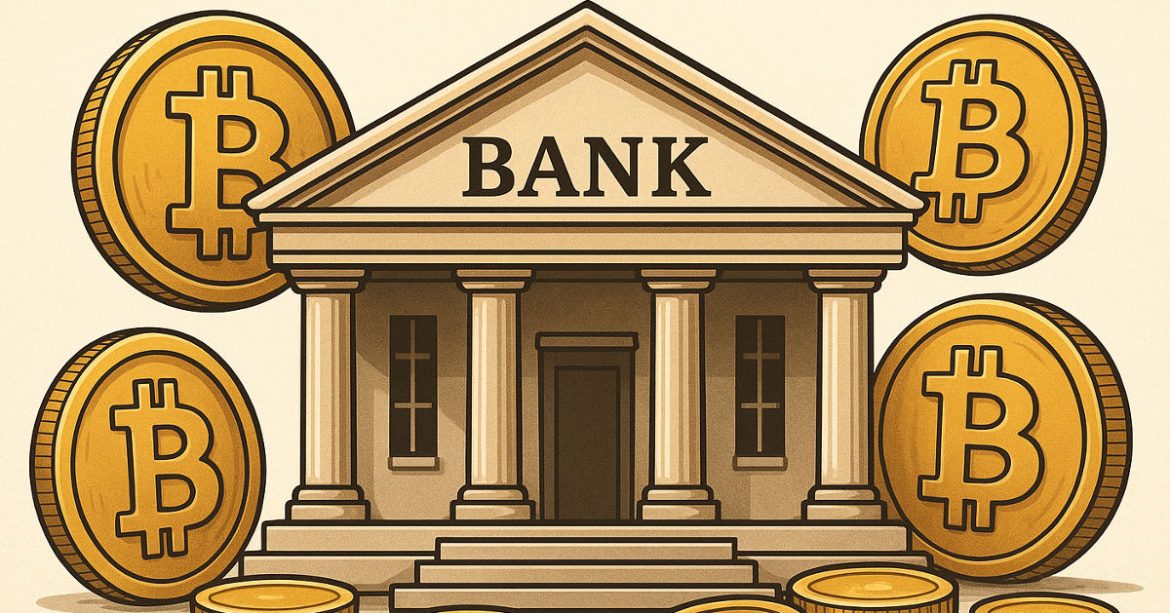
U.S. Bank has established a new Digital Assets and Money Movement organization, in hopes to “to accelerate development of and grow revenue from emerging digital products and services such as stablecoin issuance, cryptocurrency custody, asset tokenization and digital money movement.”
In other words, U.S. Bank is further jumping into the bitcoin and broader crypto space.
The Minneapolis-based institution, the fifth-largest bank in the United States, announced that payments veteran Jamie Walker will lead the new division.
Walker, who has been with U.S. Bank for over two decades, currently serves as head of Merchant Payment Services (MPS) and CEO of Elavon, the bank’s global merchant acquiring business. He will continue in that role until a successor is named, after which he will report to Dominic Venturo, U.S. Bank’s chief digital officer.
“Digital assets are rapidly evolving, and U.S. Bank is well-positioned as they grow and become more common across financial services,” Venturo said.
Earlier this year, U.S. Bank resumed its crypto custody services for institutional investment managers, initially launched in 2021, with NYDIG as the sub-custodian and an early access program for Global Fund Services clients.
The bank also expanded the service to include custody for bitcoin ETFs, citing clearer regulatory guidance as a key factor in relaunching the program.
The new organization will serve as a central hub for the bank’s digital asset strategy, supporting cross-department collaboration and knowledge sharing.
Its mission includes both expanding existing capabilities and building new digital-first services that align with the fast-changing financial technology landscape.
Walker said he is “thrilled to have an opportunity to lead this Digital Asset and Money Movement team,” noting that U.S. Bank’s clients benefit from “working with a trusted partner that is developing the next generation of digital capabilities.”
The move comes as major financial institutions increase their investments in blockchain and digital asset infrastructure amid rising crypto prices and growing political support for the industry, including from President Donald Trump.
The bank has long positioned itself as an early adopter of payment innovations. It was among the first to support digital wallets, integrate with the Real-Time Payments (RTP) network, and adopt the FedNow service.
The bank has also expanded its embedded payment solutions, allowing businesses to integrate payment capabilities directly into their existing systems.
By bringing all its digital asset efforts under one team, U.S. Bank made it clear that it wants to stay ahead in modern payments — connecting traditional banking with the growing world of blockchain and digital money.


